
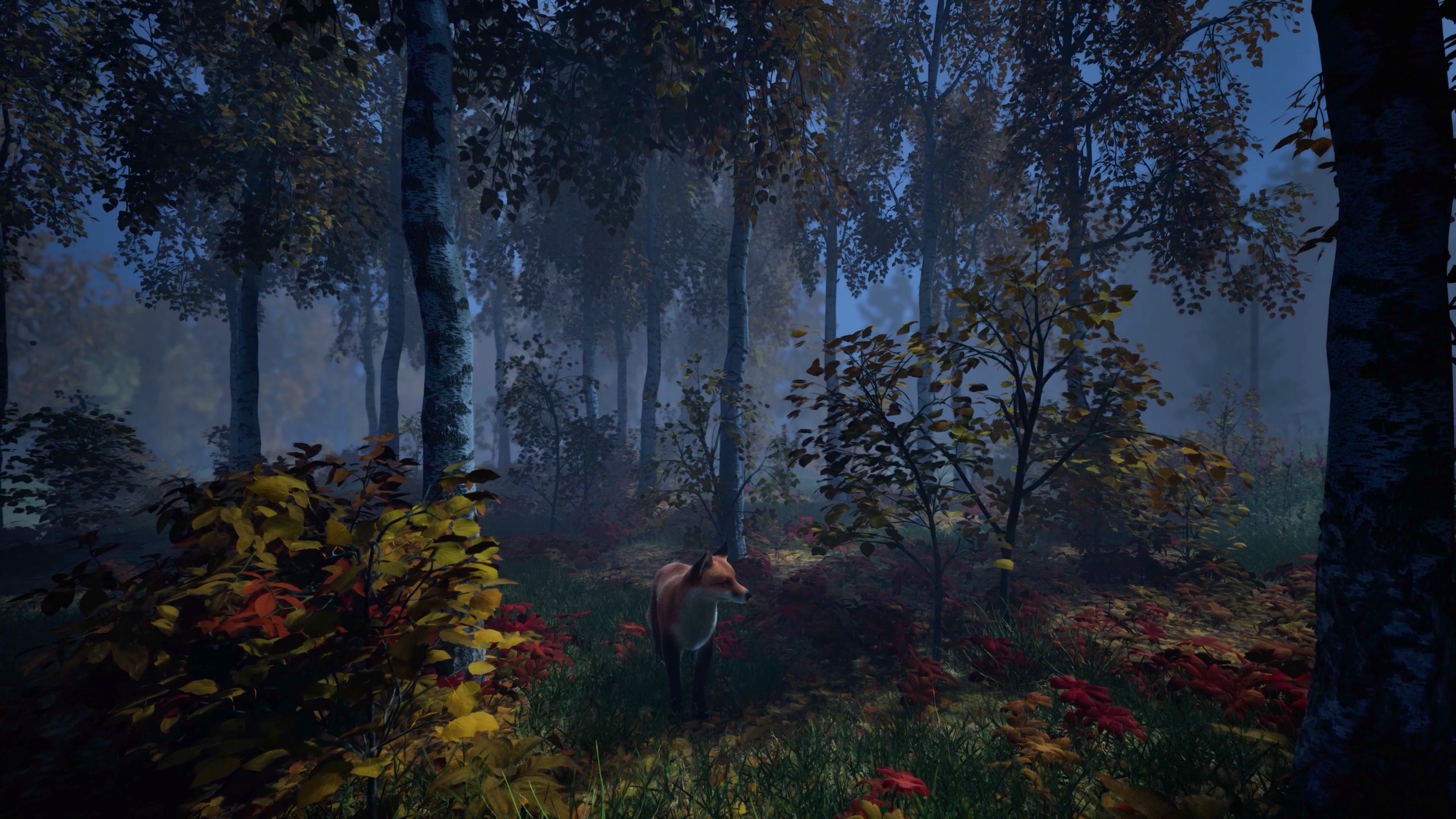
Hela: Of Mice & Magic stands apart from other 2026 adventure titles through three named, mechanically distinct systems: a true-to-scale mouse perspective that transforms ordinary objects into traversal puzzles, the Shade System that gives solo players full access to co-op content, and trust-based animal companionship where patience earns real mechanical rewards.
From debut studio Windup (Umeå, Sweden), published by KnightsPeak (a division of My.Games), Hela has already attracted 1 million Steam wishlists and dual Gamescom 2025 honors.
Key Takeaways
- Hela’s Shade System fills co-op roles with AI companions so solo players never miss content.
- Mouse-scale perspective turns acorns, roots, and thimbles into full traversal set pieces.
- Animal companions offer faster travel and new paths, earned through patience alone.
- Hela won both Most Wholesome Game and Most Entertaining Game at Gamescom 2025.
- Windup’s debut title reached 1 million Steam wishlists ahead of its 2026 launch.
A Mouse-Sized World With Full-Sized Ambition
Hela: Of Mice & Magic is an Open-World Exploration and Puzzle Adventure releasing in 2026, and it’s one of the top wishlisted games on Steam for the year (TheGamer, January 2026). Three concrete systems, not genre adjectives, explain why players keep adding it to their lists.
The game comes from Windup, a debut studio based in Umeå, Sweden. First-studio ambition tends to produce either cautious, derivative work or something genuinely hungry to prove a point. Hela lands firmly in the second category, with systems built around a clear design philosophy: small, patient actions create real, lasting change.
Add Hela: Of Mice & Magic to your Steam or Epic Games Store wishlist now to be first in line when it launches.
Why Does Playing as a Mouse at True Scale Change the Way You Interact with the World?
Hela’s mouse-scale perspective works as a core traversal and puzzle mechanic, not just an art direction choice. At true mouse scale, a thimble is a tower, a tangle of roots is a climbable ridge, and a fallen acorn cap becomes a platform hovering above open ground. Everyday forest and household objects stop being background decoration and start being the level.
Your Froggy backpack is a grapple-and-glide companion named as a character rather than filed away as a tool, and it’s built entirely around this perspective. Swinging across a root system 30 centimetres off the ground feels genuinely vertiginous at mouse scale. Gliding from a mushroom cap to a mossy stone carries a sense of distance that other games with small characters never quite achieve, because those games treat smallness as visual style rather than spatial logic.
Puzzle design follows from the same principle. Shifting a pebble to create a new jump path, or floating a leaf across a puddle to cross it, are solutions that emerge naturally from inhabiting mouse-sized space. The camera stays low. Objects loom. You start reading every surface as a potential route, which is exactly the curiosity-rewarding loop the game is built around.
How Does the Shade System Let a Solo Player Access Content Designed for a Full Co-Op Group?
The Shade System fills vacant co-op roles with AI-controlled companion shades, so a solo player experiences the full content slate without needing a group. The shades actively perform co-op functions: holding switches, carrying objects, and covering angles that the game’s puzzles and encounters were designed around four players managing together.
In a 2026 release slate where co-op-first design routinely gates content behind group play, this matters. Hela supports up to four players online and two-player local split-screen, but it never punishes players who set out alone. The Shade System handles the mechanical weight of the absent seats, so the game’s pacing and puzzle depth stay intact regardless of how many friends you bring.
What makes this distinct from a standard companion AI is scope. The shades aren’t following you around waiting to be told what to do. They’re filling roles the game was designed to require, which means solo play and group play feel like variations on the same experience rather than fundamentally different games.
Trust-Based Animal Companionship: Patience Over Points
Hela’s animal companionship system earns mechanical benefits through patient, non-transactional interaction, not through currency, levels, or unlocked skill trees. You sit near an animal. You offer it something. You don’t rush it. Over time, a bond develops, and that bond opens concrete gameplay rewards: faster travel across sections of the forest, access to paths too difficult to handle alone, and help foraging ingredients for potions.
This is structurally different from the companion systems common in the genre. Most games frame animal bonding as a collectible or a crafting transaction. You spend resources, you get a benefit, the relationship is complete. Hela’s system asks for time and attention instead. A forest hedgehog won’t sprint you across the undergrowth because you fed it twice. It’ll do it because you’ve been present with it, repeatedly, without demanding anything back.
The thematic point is clear, and the mechanical design makes it felt rather than stated. Small, kind, patient actions compound into something real. That connects directly to Hela’s central story: a tiny mouse healing a fading Scandinavian forest through the same steady care.
| System | How It Works | Player Benefit | What Makes It Different |
|---|---|---|---|
| Mouse-Scale Perspective | Camera and physics operate at true mouse scale | Every object becomes a traversal or puzzle element | Scale is a mechanic, not just a visual style |
| Shade System | AI shades fill co-op roles dynamically | Solo players access all content without a group | Shades perform roles, not just follow commands |
| Trust-Based Companionship | Bonds form through repeated, patient interaction | Faster travel, new paths, foraging help | No currency or level gate, patience is the mechanic |
| Froggy Backpack | Grapple and glide tools scaled to mouse perspective | Verticality and mobility across the forest | Named companion, not a generic equipment slot |
Brewing, Foraging, and the Froggy Backpack: Playfulness as a System
Hela’s brewing and foraging loop gives players a sandbox of tools to experiment with, not a checklist to clear. You forage ingredients across the forest. You brew potions with the effects you need. You use Froggy’s grapple and glide to reach spots where the next ingredient is waiting. Puzzles don’t have single correct solutions, and the game doesn’t signal when you’ve solved them wrong.
The score, composed by Frida Johansson and Henrik Oja (known for their work on the Unravel series, WorthPlaying, May 2026), runs underneath all of it. That shared creative lineage shows up in how the music responds to what’s happening rather than cycling through ambient loops. It gives the experimentation a texture that makes the forest feel inhabited.
What Is the Significance of Hela Being Windup’s Debut Title, and What Creative Lineage Does the Team Bring?
Hela is Windup’s first game, and that context shapes how the three differentiating systems read. Debut studios don’t get second chances to establish what they care about. The precision of the Shade System, the patience embedded in animal companionship, and the commitment to mouse-scale as a real mechanic rather than a pitch-deck hook all signal a team that knew exactly what they wanted to build before they started building it.
Frida Johansson and Henrik Oja bring creative leadership from the Unravel series to the score. Hela isn’t a sequel, and Windup doesn’t own that IP. What they share is talent, sensibility, and a feel for heartfelt, nature-rooted storytelling that listeners will recognise without the game needing to lean on the association.
Gamescom 2025 awarded Hela both Most Wholesome Game and Most Entertaining Game. Two awards in categories that usually don’t overlap tells you something about how the game is landing. Hela is releasing in 2026 on PC (Steam, Epic Games), PlayStation, Xbox, and Nintendo Switch 2.
Three Systems Worth Your Spot on the 2026 List
Mouse-scale perspective makes every root and pebble a level piece. The Shade System keeps solo play whole. Trust-based animal bonds replace transaction with time. Those aren’t adjectives, they’re design decisions, and they’re why Hela has 1 million wishlists and counting. Swing your Froggy backpack across the canopy and find out what’s on the other side.
Frequently Asked Questions
Has Hela: Of Mice & Magic been released yet?
Hela: Of Mice & Magic has not yet been released. The game from debut developer Windup, published by KnightsPeak (a division of My.Games), is confirmed for a 2026 launch on PC (Steam, Epic Games), PlayStation, Xbox, and Nintendo Switch 2. Add it to your Steam or Epic Games Store wishlist to get notified the moment it goes live.
Is Hela split screen?
Hela supports two-player local split-screen. Online co-op scales up to four players. The game does not support four-player split-screen locally. Solo players aren’t left out. The Shade System fills any vacant co-op roles with AI companions, giving solo players access to the full content designed for group play.
How does the mouse perspective work in Hela?
The mouse perspective in Hela operates at true scale, meaning the camera and physics treat the world as a mouse would actually experience it. Roots become climbable ridges, acorns become platforms, and puddles become genuine obstacles. Object scale functions as a puzzle and traversal mechanic throughout the game, not purely as an art direction choice.
Is there a co-op adventure game about mice?
Hela: Of Mice & Magic is an Open-World Exploration and Puzzle Adventure where you play as a tiny mouse healing a fading Scandinavian forest. It supports up to four players online and two-player local split-screen, with the Shade System ensuring solo players experience the full game. It’s one of the most wishlisted co-op adventure titles heading into 2026.
Is Hela on Game Pass?
No Game Pass inclusion for Hela: Of Mice & Magic has been announced publicly. The game is confirmed for PC via Steam and Epic Games, PlayStation, Xbox, and Nintendo Switch 2. Check the official site and wishlist the game on your preferred platform to stay updated on any new platform or subscription announcements as the 2026 launch approaches.